SELLING YOUR HOME WHEN IT'S OWNED BY A TRUST
3006POSTED:
211
Views

Articles by The Professional Trustee Team.

Most people understand that when a motor vehicle is sold, the owner of the car has to sign the sale papers. These days, the buyer also has to sign the sale papers. The same analogy applies to houses owned by a trust. Vendors and purchasers have to sign an Agreement for Sale and Purchase ("agreement"). Unfortunately, this often doesn't occur and disastrous consequences can follow.
When your home is owned by a trust, it's legal ownership is vested in the trustees of the trust. Those trustees should be noted on the ownership papers of the home. It's common sense therefore, that the trustees have to sign the agreement - after all, they're the owners of the home! Common sense however, isn't always so commonly practiced.

Salesh - Was really good to see you yesterday and to see you getting up in front of the crowd talking about your huge successes – and….. I didn’t realise you were so young! You are and always have been such an inspiration to us and think it is great that you got up in front of a group of eager property investors to share about your property journey and to inspire us! You should do it more often. You are so knowledgeable about property investing and so experienced – you should share your success story! - Lisa Swanepoel - December 2017

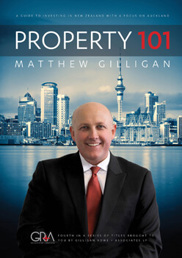
Investing in residential property?
If you're investing in residential property, seeking to maximise your ability to succeed and minimise risk, then this is a 'must read'.
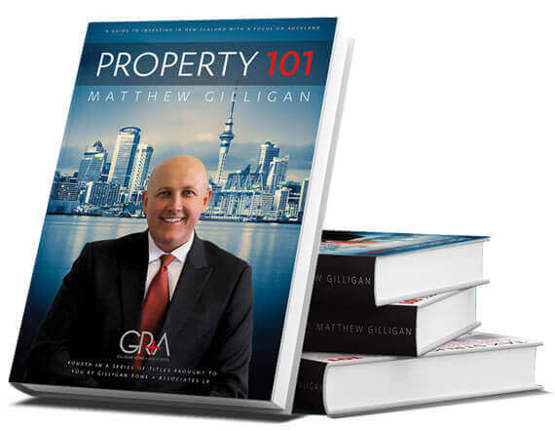
Matthew Gilligan provides a fresh look at residential property investment from an experienced investor’s viewpoint. Written in easy to understand language and including many case studies, Matthew explains the ins and outs of successful property investment.




 Free Resources, Tools & Downloads