What is a Shareholder's Current Account?
5026POSTED:
24
Views

Articles by Anna Loginova.

The shareholder’s current account (i.e. the net balance of funds introduced and withdrawn by the shareholder) is one of the most common things that our clients ask us about.
The most frequent questions that we receive are: How did this occur? What does the movement between this year and last year represent? Why does the company owe me money? Why do I owe money to the company?
When a business starts, it does not have its own funds, so naturally shareholders contribute money into the company. This becomes a liability from the company’s point of view. The opposite position occurs when the shareholder withdraws funds from the company. This becomes an asset from the company’s point of view.
The movements in the shareholder’s current account are what have been contributed or withdrawn during the year by the shareholder.
More than one shareholder
If there are two or more completely separate (unrelated) shareholders in a company, it is extremely important to treat their respective shareholder’s current accounts carefully, as this is the actual money that belongs to each shareholder. If this has not been recorded correctly, or a mistake is made, the financial consequences can be significant.
Shareholder’s account in credit
If a shareholder’s current account is in credit (i.e. the company owes money to the shareholder), it can be considered as a loan to the company. Provided that the company has sufficient cashflow, the shareholder can withdraw funds up to the balance of the account without any tax consequences.
Shareholder’s account overdrawn
Issues can occur if the shareholder’s current account is overdrawn. There is a requirement to charge interest on the overdrawn shareholder’s current account. Otherwise, it could be subject to fringe benefit tax (FBT) because the shareholders receive a benefit from the company by using the funds.
If you find yourself in this situation, or you have any other questions about your shareholder current account, please get in touch with your GRA Client Services Manager so we can provide the most appropriate solution, applicable to your individual circumstances. (If you are not a client of GRA, book a meeting to discuss how we can help you – the initial meeting is free of charge if you are new to our practice.)


To whom it may concern: The Corporate Trustee team at Gilligan Rowe and Associates have been our Professional Trustee for our family trust and trading trust since May 2005. From the initial advice during the designing and creation of our trust structures through to the day to day operation of the entities, the support and guidance we have had from the Corporate Trustee team has been second to none. As a business owner and operator, I need to have reliable, efficient, proactive and knowledgeable people as part of our business team and Gilligan Rowe and Associates Trustee services tick the boxes in all of these criteria. I have no hesitation in commending and recommending Gilligan Rowe and Associates Trustee Services team to anyone who requires professional and competent guidance in the safe operation of their trust and in turn secure protection of their assets. - RNT
Investing in residential property?
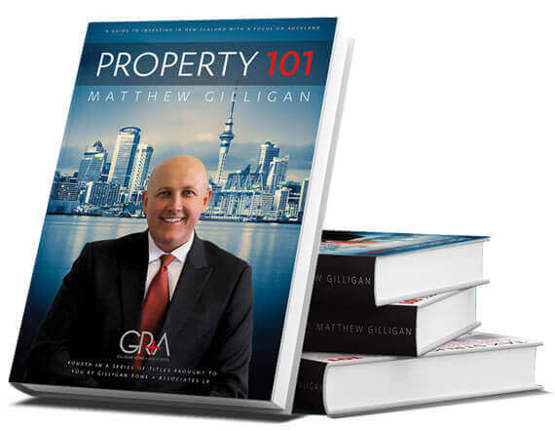
If you're investing in residential property, seeking to maximise your ability to succeed and minimise risk, then this is a 'must read'.
Matthew Gilligan provides a fresh look at residential property investment from an experienced investor’s viewpoint. Written in easy to understand language and including many case studies, Matthew explains the ins and outs of successful property investment.









 Free Resources, Tools & Downloads